
How to Avoid Phone Selling Scams: Safe iPhone Trade In Guide
You want to sell your old phone. You post it online. Within minutes, you get a message from an interested buyer. They offer full price. They seem nice. Then they ask you to ship it before payment clears... or send a "verification code"... or accept a cashier's check for too much money.
These are phone selling scams, and they're everywhere. Every day, honest sellers lose their phones and their money to clever fraudsters. But you don't have to be a victim. In this guide, we'll show you how to avoid phone selling scams whether you're doing an iPhone trade in or selling privately. Let's keep your money safe.
Table of Contents
- Why Phone Sellers Are Prime Targets
- The 6 Most Common Phone Selling Scams
- Red Flags: How to Spot a Scammer
- Safe Platforms vs. Dangerous Platforms
- How to Verify a Legitimate Buyer
- Safe Payment Methods vs. Scam Payment Methods
- Are Buyback Services Safer Than Private Sales?
- What to Do If You've Been Scammed
- Frequently Asked Questions
- Sell Safely With Us
Why Phone Sellers Are Prime Targets
Phones are expensive, small, and easy to resell. That makes them perfect for scammers. A stolen iPhone can be sold for hundreds of dollars within hours.
Scammers target both private sellers (on Facebook Marketplace, Craigslist, OfferUp) and people selling to shady buyback sites. They're sophisticated, patient, and convincing. But once you know their tricks, you can spot them immediately.
Using a legitimate mobile buyback service like ours eliminates almost all scam risk. But if you're selling privately, you need to be vigilant.
The 6 Most Common Phone Selling Scams
1. The Fake Payment Scam
The buyer sends a fake PayPal or Venmo email claiming you've been paid. You check your account—nothing there. But the email looks real. They pressure you to ship "since payment is confirmed." Don't fall for it. Always log into your payment account directly to verify funds.
2. The Overpayment Scam
The buyer sends a check for more than your asking price. "Oops, my assistant made a mistake. Just wire me back the difference." The check bounces days later, and you're out the money you sent. Never accept overpayment. Never wire money to a buyer.
3. The Verification Code Scam
The buyer asks for your phone number to "verify you're real." Then they use it to request a Google Voice verification code. They ask you to read the code back. Once you do, they create a Google Voice number linked to your real phone—and use it to scam others. Never share verification codes with anyone.
4. The Empty Box Return Scam (eBay/online marketplaces)
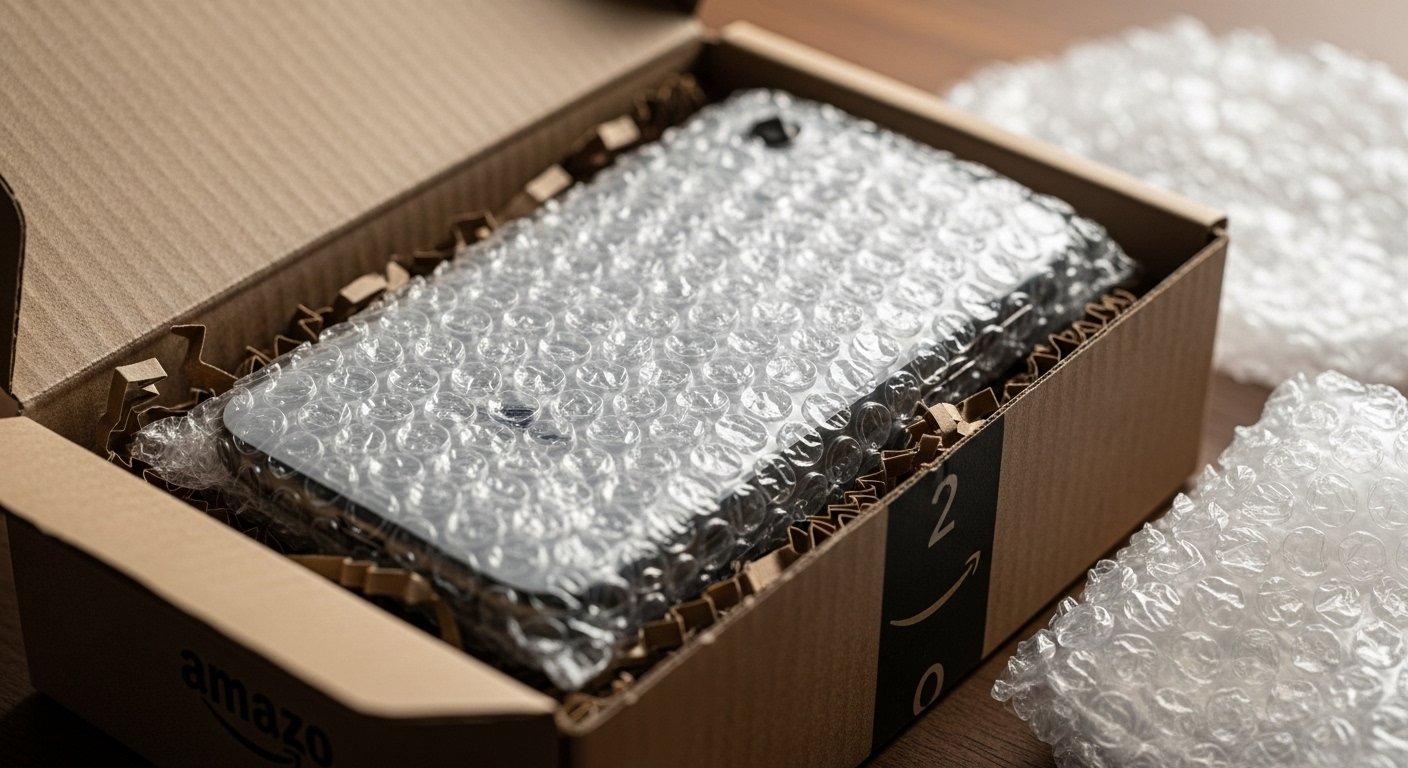
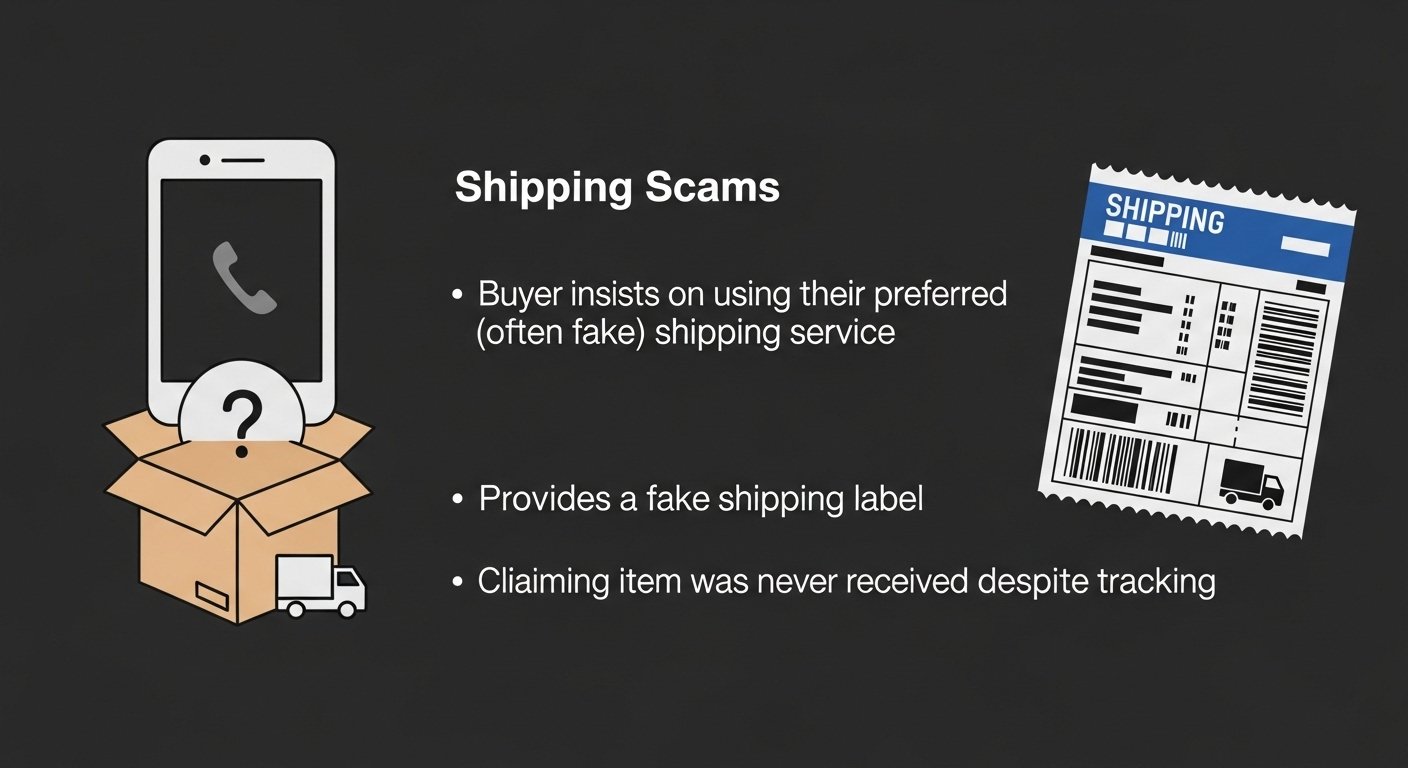
You ship your phone. The buyer claims it arrived damaged or empty. They return a box of rocks and get a refund. You lose your phone and your money. Document your packing process. Take photos. Use signature confirmation.
5. The Bait-and-Switch Buyback Site
A website offers a great price. You ship your phone. They claim it's "damaged" or "not as described" and offer a fraction of the original quote. You can't get your phone back without paying shipping. Research buyback sites before using them. Check BBB ratings and reviews.
6. The Local Meetup Robbery
You agree to meet in person. The buyer shows up, "inspects" the phone, then runs off with it. Or they hand you counterfeit cash. Meet at a police station or inside a bank. Never meet alone.
Red Flags: How to Spot a Scammer
Scammers often follow predictable patterns. Watch for these warning signs:
- Poor grammar or urgent language: "Kindly ship immediately" or "I need this today."
- Refusal to meet in person or use secure payment: They always have an excuse.
- Asking for personal information: Your address before payment, your email for "verification," etc.
- Pressure to act fast: "I have another buyer waiting" or "Ship within the hour."
- Unusual payment requests: Gift cards, wire transfers, cashier's checks, or cryptocurrency.
- New accounts or no history: On eBay, Facebook, or OfferUp, check the buyer's account age and reviews.
- They don't negotiate: Most real buyers ask questions or try to lower the price. Scammers often accept full price immediately.
Safe Platforms vs. Dangerous Platforms
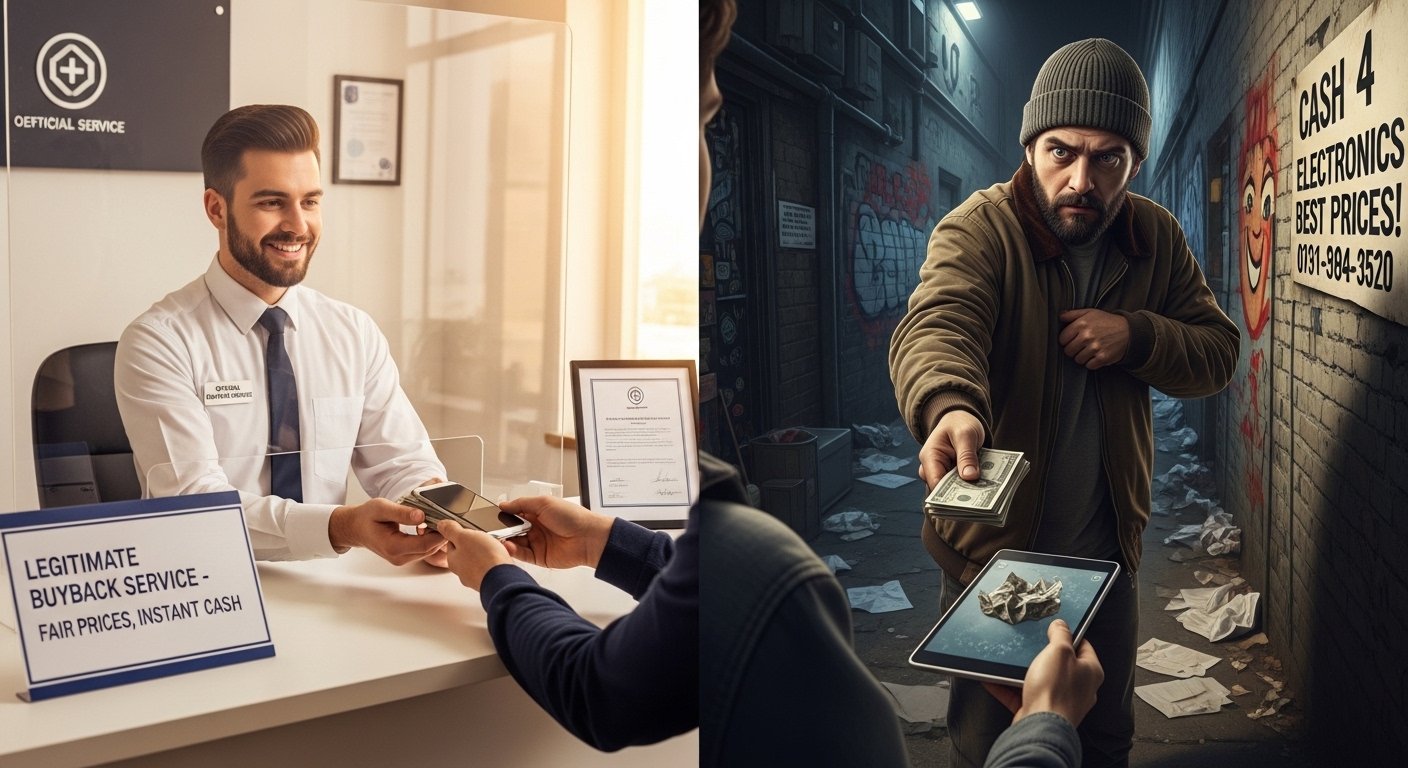
Not all selling platforms offer the same protection. Here's how they compare:
| Platform | Scam Risk | Seller Protection | Best For |
|---|---|---|---|
| Online Buyback (Us) | Very Low | Excellent | Guaranteed cash, no scams |
| Swappa | Low | Good | Tech-savvy sellers |
| eBay | Moderate | Fair (buyer-biased) | Experienced sellers |
| Facebook Marketplace | High | Poor | Local cash only |
| Craigslist | Very High | None | Not recommended |
For the safest experience, use a dedicated mobile buyback service. We guarantee payment, handle shipping, and eliminate buyer scams entirely.
How to Verify a Legitimate Buyer
If you're selling privately, take these steps to verify the buyer:
- Check their account history: How long have they been on the platform? Do they have reviews?
- Communicate only on the platform: Scammers want to move to text or email where there's no record.
- Meet in a safe location: Police station lobbies are ideal. Many have "safe exchange zones."
- Accept only cash or secure payment: Cash in person. PayPal Goods & Services (not Friends & Family) for shipped items.
- Don't ship before payment clears: Wait for funds to fully settle in your account—not just a confirmation email.
Safe Payment Methods vs. Scam Payment Methods
Only accept payments that protect you. Avoid methods that scammers love.
Safe Payment Methods:
- Cash (in person): Hard to fake. Use a counterfeit pen if you're worried.
- PayPal Goods & Services: Offers seller protection for shipped items.
- Venmo with Purchase Protection: Newer feature, but offers some protection.
- Escrow services: For high-value items, escrow holds funds until delivery is confirmed.
Dangerous Payment Methods (Scammers Love These):
- Zelle, CashApp, Venmo (Friends & Family): No buyer or seller protection. Once sent, money is gone.
- Wire transfers: Untraceable and irreversible.
- Cashier's checks / Money orders: Can be counterfeit. Banks may not detect for days.
- Cryptocurrency: Untraceable and irreversible.
- Gift cards: Never accept gift cards as payment. This is always a scam.
Are Buyback Services Safer Than Private Sales?
Yes. Using a legitimate buyback service eliminates almost all scam risk. Here's why:
- Guaranteed payment: You get paid as long as your phone matches the described condition.
- No buyer communication: You never talk to the end buyer. No haggling, no scams.
- Insured shipping: If the package is lost or damaged, you're covered.
- Transparent pricing: The offer you see is the offer you get (if condition matches).
- Reputation at stake: Legitimate services have BBB ratings and customer reviews to protect.
Our sell iPhone for cash service has a 4.9/5 rating and thousands of satisfied customers. We're transparent, secure, and scam-free.
What to Do If You've Been Scammed
If you've already been scammed, take these steps immediately:
- Stop all communication with the scammer. Don't engage further.
- Contact your payment provider: If you used PayPal, Venmo, or a credit card, report the fraud immediately.
- File a police report: Especially if you lost significant money or the phone was stolen in person.
- Report to the platform: eBay, Facebook, Craigslist—report the user's profile.
- Report to the FTC: File a complaint at ReportFraud.ftc.gov.
- If you shipped the phone, contact the carrier: They may be able to intercept the package.
Don't be embarrassed. Scammers are sophisticated. Reporting helps protect others.
Frequently Asked Questions
Yes, if you use a reputable platform. Online buyback services are the safest option. Private sales carry more risk but can be safe if you follow the guidelines above (cash only, meet at police stations, verify buyers).
Cash in person at a safe location, or PayPal Goods & Services for shipped items. Avoid Zelle, CashApp, wire transfers, and gift cards—these offer no protection.
Many are, but some are not. Research before using any service. Check BBB ratings, Trustpilot, and Google reviews. Look for complaints about "bait and switch" pricing. Our service has a 4.9/5 rating.
Be very cautious. Scammers use phone numbers to request verification codes or to move communication off the platform. Only share your number if you're comfortable and have already verified the buyer.
Yes, though it's less common. eBay's buyer protection heavily favors buyers, so "empty box" returns can happen. Swappa has better seller protections but isn't 100% scam-proof. Always document your packing process.
Trade In Your Phone Instantly
Don't risk scams. Sell your phone safely with our guaranteed buyback service. Instant quotes, free shipping, and secure payment.
🛡️ 100% scam-free | 💰 Guaranteed cash | 📦 Free shipping
Want more safe selling advice? Read our complete phone selling checklist or check out our guide to shipping phones safely.