





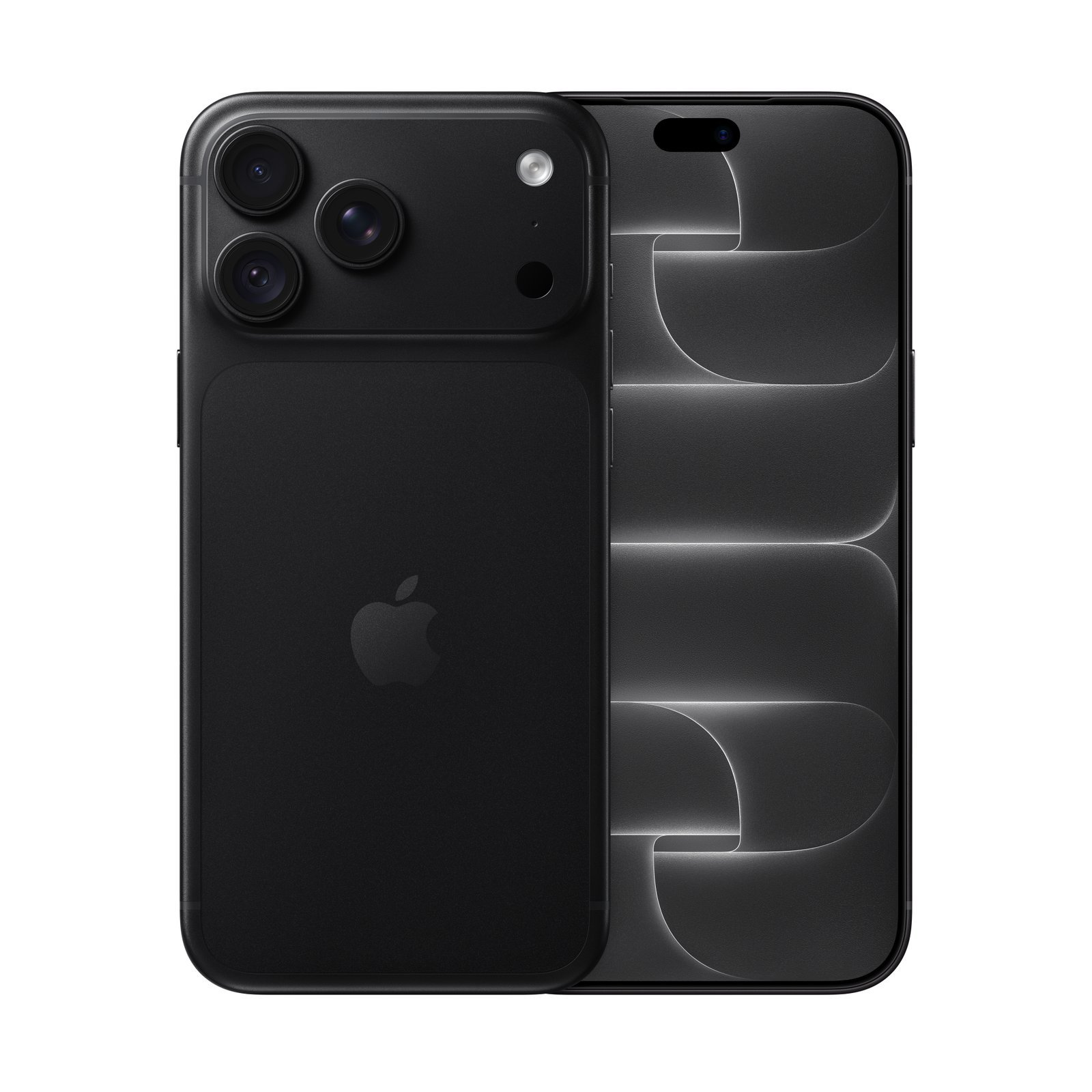
iFixit has taken apart the iPhone 18 Pro and Pro Max, and the star of the show is also its biggest repair headache. Apple’s new variable aperture camera is a feat of miniature engineering, with six tiny blades that open and close like the iris of an eye. It is also, in iFixit’s words, about as close to unfixable as a repair gets.
The teardown, published this weekend, goes inside the mechanism Apple built its camera launch around. The main camera on both Pro models now offers four aperture settings, from f/1.48 to f/4.0, letting photographers control how much light reaches the sensor and how soft the background looks.
Six blades, each thinner than a hair
The mechanism packs six overlapping blades made from a polymer composite into the same camera footprint as last year. Each blade is about as thin as a human hair, and they have to slide past one another without snagging, pivoting on tiny pins and slots. A magnet drives the movement, and iFixit could trigger the aperture to open and close just by holding a magnet near it.
Apple is late to this idea. Nokia put a variable aperture in a phone back in 2009, Samsung tried it in the Galaxy S9 in 2018 and later dropped it, and Huawei and Xiaomi have used it since. What is new is the scale: six blades working together in a space barely bigger than last year’s fixed lens.
The problem is what happens when something goes wrong. The blades are held together with tight tolerances and gummy glue, and iFixit’s own attempt to take the iris apart ended with blades flying across the room. They managed to get one blade back into place to demonstrate the mechanism by hand, but they are blunt about the prospects for a real repair: very few people on the planet will have the tools and technique to take this apart and put it back together.
What that means for owners
In practice, a damaged main camera will mean replacing the whole camera assembly, which is bound to be expensive. Apple has not released parts pricing yet, but the camera assembly for the iPhone 17 Pro costs $249, and the variable aperture version will only cost more.
There is one piece of good news. The camera assembly itself is modular and easy to reach, so swapping the whole module is painless on both the 18 Pro and Pro Max. The repair is expensive, not difficult.
The screen frame that tore on three of four phones
The teardown also found a worrying weak spot in the display. To reach the battery, you have to open the glued-down screen, because the back glass panel hides no serviceable parts except the wireless charging coil. On three of the four phones iFixit opened, the white plastic frame around the display cracked or pulled apart during removal.
That frame is part of the display assembly, so a torn frame cannot be fixed with fresh adhesive, and a damaged frame may not seal properly afterward. The displays themselves survived and still worked. iFixit notes that four phones are too few to establish a failure rate, and that heating technique and adhesive strength could both matter. The one phone that came apart cleanly had been heated for 15 minutes at 70 degrees Celsius, then another 10 minutes at 72.
A battery win, once you get inside
Past the screen, the news improves. Both phones keep the screwed-in metal battery tray from last year, held down by thirteen screws, with no battery adhesive to fight. The cell itself is still glued into the tray, but the electrically released adhesive works cleanly: about 90 seconds at 12 volts and the battery lifts away.
The batteries are labeled 16.76 watt-hours, or 4,288mAh, in the eSIM iPhone 18 Pro, and 21.751 watt-hours, or 5,567mAh, in the Pro Max. Physical SIM models carry smaller cells.
Cooling got a bigger upgrade. The A20 Pro chip has moved to the outside of the logic board sandwich, with memory sitting beside it instead of stacked above, giving heat a more direct path out. The vapor chamber is now three times larger in surface area, according to Apple, and it spreads across much of the phone’s body.
Should this change your upgrade plans?
iFixit’s own verdict is that the variable aperture alone is not a reason to upgrade. The photo differences are small enough that most people will not notice them, and the mechanism adds moving parts that can fail. Their advice is the same as most years: the most sustainable phone is the one already in your pocket.
For anyone who does buy an 18 Pro, the teardown carries a practical warning too: if the battery ever needs replacing, the job itself is straightforward, but opening the phone risks the display frame. That is a repair best left to a shop with the right heating setup.
FAQ
Can the iPhone 18 Pro variable aperture be repaired?
Effectively no. iFixit found the six-blade mechanism too small and too tightly glued to take apart and reassemble. A damaged main camera will need a whole replacement camera assembly.
How much will an iPhone 18 Pro camera repair cost?
Apple has not released parts pricing. The iPhone 17 Pro camera assembly costs $249, and the variable aperture version is expected to cost more.
What went wrong with the screen during the teardown?
The plastic frame around the display cracked or tore on three of the four phones iFixit opened. The frame is part of the display assembly and cannot be repaired with adhesive.
How big are the iPhone 18 Pro batteries?
The eSIM iPhone 18 Pro battery is 4,288mAh and the Pro Max is 5,567mAh, according to iFixit’s teardown. Physical SIM models have smaller batteries.
Sources: iFixit