





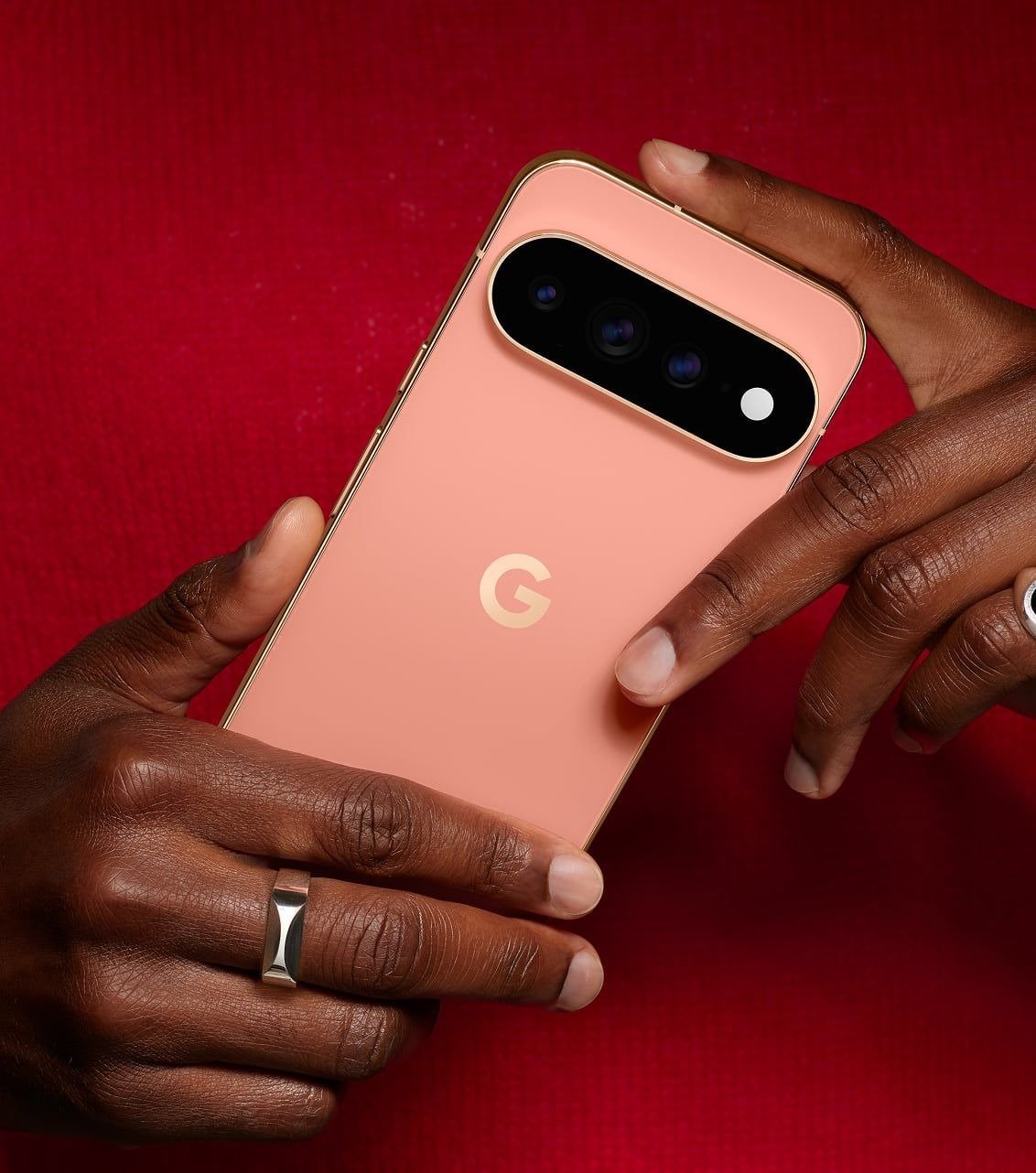
Google Pixel hardware explained
Google’s Pixel phones have never tried to win on raw benchmark numbers alone. Their hardware is built around a different idea: a custom chip tuned for on-device AI, a camera system that leans on computation as much as optics, and a display that balances smoothness with battery life. The Pixel 11 Pro XL shows that formula at its most complete.
This guide breaks down the three parts that matter most: the Tensor G6 chip and graphics, the triple camera system, and the LTPO display.
CPU and GPU: Tensor G6 and Titan M3
The Pixel 11 Pro XL runs Google’s Tensor G6 chip, paired with the Titan M3 security coprocessor, according to the Cellular Heros catalog listing. Tensor chips are designed by Google and built on a 3nm process, with a focus on AI workloads such as live translation, photo processing, and on-device assistance, rather than on chasing the highest peak benchmark score.
That design choice shapes the whole phone. Tasks that use Google’s AI features, from call screening to photo editing, run on the chip itself, which keeps them fast and private. For gaming, the Tensor G6 is capable and smooth for most titles, but buyers who prioritize sustained peak gaming performance above all else may still prefer a Snapdragon flagship. For most users, the trade is a good one: a phone that feels smart in daily use, with a dedicated security chip handling sensitive data.
The phone ships with Android 17 and is promised long software support, which matters because Pixel hardware is meant to improve over time as Google refines its AI features through updates.
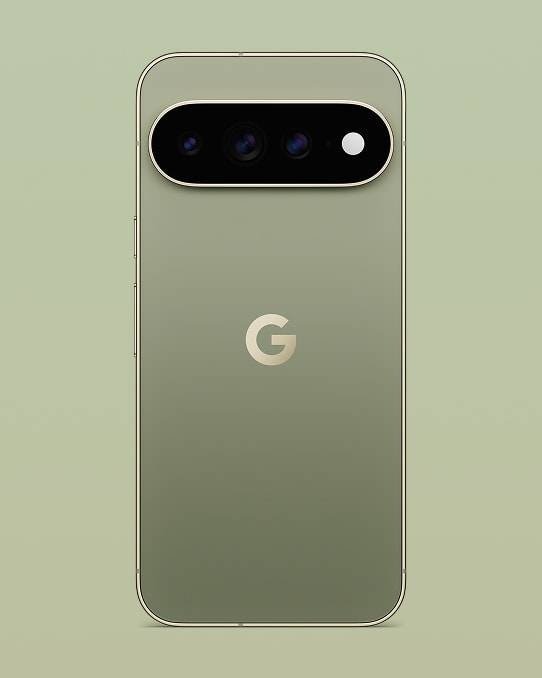
Camera hardware: 50MP wide, 48MP ultrawide, 48MP telephoto
The Pixel 11 Pro XL uses a Pro triple rear camera system. The main camera is a 50MP wide camera with an f/1.68 aperture and a 1/1.3-inch sensor, which gathers plenty of light and detail. The ultrawide camera is 48MP with autofocus and Macro Focus, so it doubles as a close-up camera. The telephoto camera is 48MP with 5x optical zoom, optical image stabilization, and Pro Zoom up to 120x, with optical-quality steps at 0.5x, 1x, 2x, 5x, and 10x.
What makes the system stand out is not just the sensors, but how they work together. The larger telephoto sensor lets in more light than the previous generation, which helps long zoom shots stay usable rather than turning muddy. The front camera is a high-resolution selfie camera with autofocus and a wide field of view, and the rear cameras can record 8K video with Video Boost, plus 4K video at up to 60 frames per second.
For buyers, the practical meaning is simple: the Pixel 11 Pro XL is built for people who want point-and-shoot reliability, strong zoom, and video that holds up on a large screen, without needing to learn manual camera controls.
Display: 6.8-inch LTPO OLED, 1 to 120Hz
The Pixel 11 Pro XL has a 6.8-inch LTPO OLED display with a resolution of 1344 by 2992 pixels and a refresh rate that adapts from 1Hz to 120Hz. LTPO is the key term here: it lets the screen drop to a very low refresh rate when you are reading a still page, saving battery, and jump to 120Hz when you are scrolling or gaming, keeping motion smooth.
The panel is protected by Corning Gorilla Glass Victus 2, with an improved scratch-resistant coating, and it supports HDR content. Peak brightness is high enough for comfortable outdoor use, and the adaptive refresh rate means you do not have to choose between smoothness and battery life in settings.
Current flagships
The Pixel 11 Pro XL is Google’s large 2026 flagship, with 12GB or 16GB of RAM, 256GB to 1TB of storage, and a 5,115mAh battery with 45W wired charging and 25W Qi2.2 wireless charging. See its full specifications on the Google Pixel 11 Pro XL page, and compare it with the Samsung Galaxy S26 Ultra if you want a Snapdragon-powered alternative with a stylus and a larger zoom range.
FAQ
What chip does the Pixel 11 Pro XL use?
Google’s Tensor G6 chip, paired with the Titan M3 security coprocessor.
What cameras does the Pixel 11 Pro XL have?
A 50MP wide camera, a 48MP ultrawide camera with Macro Focus, and a 48MP telephoto camera with 5x optical zoom and Pro Zoom up to 120x.
What display does the Pixel 11 Pro XL use?
A 6.8-inch LTPO OLED display that adapts from 1Hz to 120Hz, with a 1344 by 2992 resolution and Gorilla Glass Victus 2 protection.
Sources: https://cellularheros.us/phones/google-pixel-11-pro-xl/ , https://cellularheros.us/phones/samsung-galaxy-s26-ultra/