





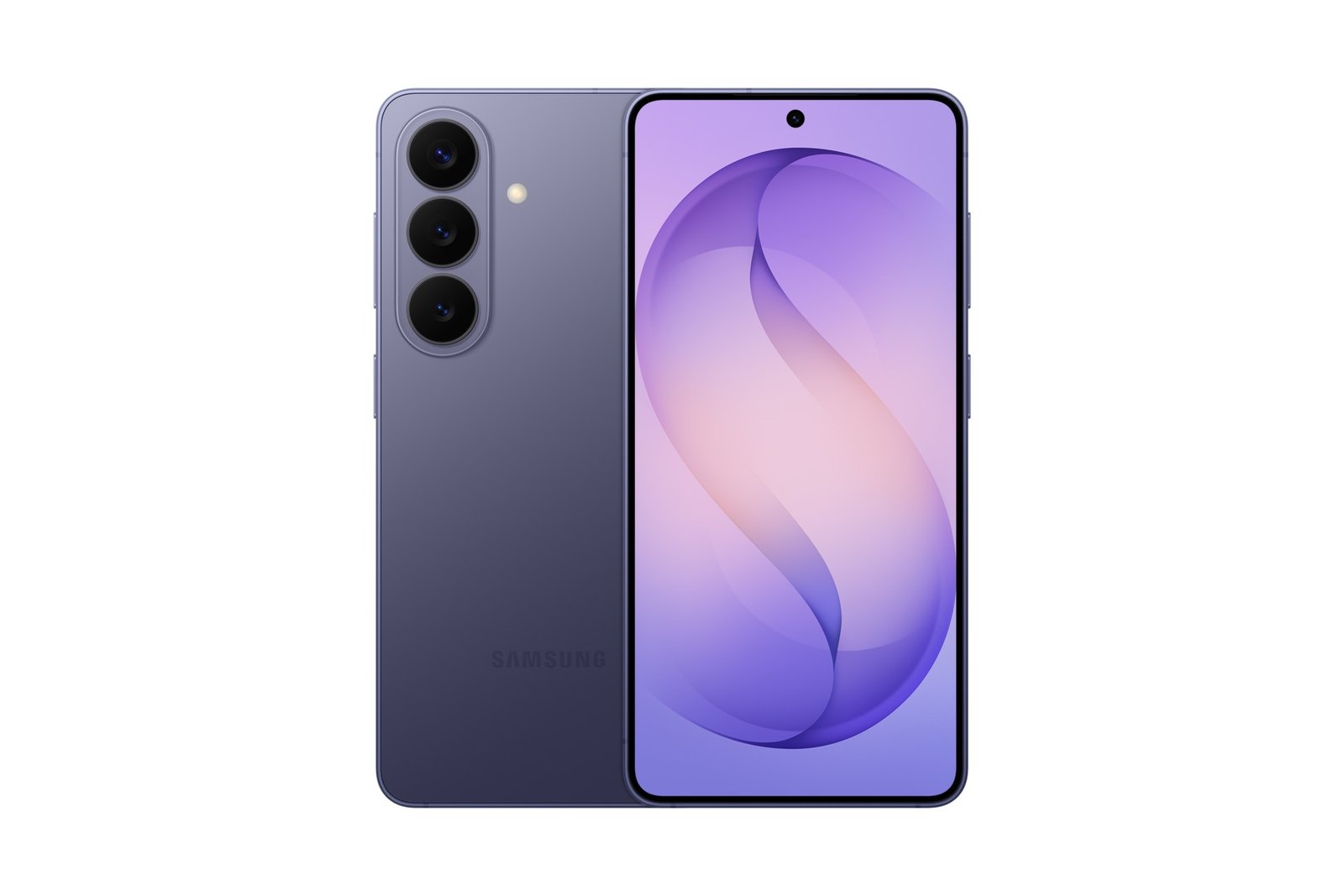
Black Friday lands on Friday, November 27, 2026, and Cyber Monday follows on Monday, November 30. Three days apart, same shopping weekend, completely different ways to save on a phone. If you are weighing up cyber monday vs black friday phone deals, the honest answer is that neither day wins outright. Each one suits a different kind of buyer, and the best deal usually depends on how you plan to pay, whether you are trading in, and how long you are willing to stay with a carrier.
Most people treat the two days as one long sale, and retailers encourage that. The banners blur together, the countdown timers reset, and the same phone shows up at a slightly different price every few hours. Underneath the noise, though, the two days have settled into distinct roles, and knowing which role each one plays is worth more than refreshing a deals page at midnight.
Two sales, one weekend — and they are not the same thing
Black Friday started as a store event. Even now, with most of the action online, its best offers still lean toward that world: big-ticket doorbusters, bundles that pair a phone with earbuds or a watch, and carrier promotions that need a new line or a trade-in handed over at a counter. Stock is limited on purpose, and the headline price often depends on conditions buried two clicks down.
Cyber Monday grew up online. It favors shoppers who already know what they want, compare tabs, and check out from the couch. Its deals skew toward unlocked phones, accessories, and online-only price cuts that need no store visit and no new line. The discounts tend to be smaller on the flagship itself and larger on everything around it.
The practical difference is simple: Black Friday rewards people willing to switch carriers, trade in, or buy a bundle. Cyber Monday rewards people who want a clean price on an unlocked phone and no strings attached.
What Black Friday usually does best
Friday is the day for the big swing. Carriers put their heaviest trade-in credits on the table, usually as bill credits spread over two or three years, and retailers stack gift cards on top. If you are buying a current flagship and you have a recent phone to trade in, Friday is historically where the largest headline savings appear.
Apple takes a different route, and it is worth understanding before you get excited. Apple does not cut prices in its own store. Instead, its Black Friday event hands out Apple Gift Cards with eligible purchases. For 2026, Apple has announced gift cards worth up to $300, and the event runs from November 27 through November 30. The iPhone Air earns a $100 card this year, the first time it has been included. The catch is that the newest iPhones — the iPhone 18 Pro, iPhone 18 Pro Max, and the iPhone Duo — are not eligible at all, and the full $300 figure only applies to a high-end 16-inch MacBook Pro. A gift card is a nice bonus if you were already buying an eligible product, but it is not a discount, and it cannot be used to lower the price of the item that earned it.
For Android buyers, Friday is usually the stronger day for carrier deals on Samsung and Google flagships, where the saving often arrives as a monthly credit rather than cash off. Our carrier-by-carrier breakdown is in the Black Friday guide linked below, and the live offers are collected on our deals page.
What Cyber Monday does better
Monday belongs to the patient shopper. The carrier bill-credit offers from Friday often carry over, but the new action on Monday tends to be elsewhere: unlocked phones at retailers like Amazon and Best Buy, older flagships dropping to their lowest price of the year, and accessories — cases, chargers, earbuds — at genuine discounts rather than token ones.
This is also the day when last year’s models get interesting. A phone that was $200 off on Friday can be $300 off on Monday, not because the retailer suddenly became generous, but because the goal shifts from drawing a crowd to clearing remaining stock. If you do not need the very latest model, Monday is often the better day to buy.
One more Monday pattern worth knowing: online-only deals appear and vanish fast. If you see the exact configuration you want at a price you would accept, waiting until Tuesday to think about it usually means losing it.
iPhone and Android deals: where the real savings hide

For iPhones, the split is simple. Buying directly from Apple gets you a gift card, not a price cut, and the newest models are excluded. Buying from a carrier gets you the biggest headline number, but only as bill credits tied to a plan. Buying unlocked from a retailer gets you the cleanest deal, usually on an older model or a previous-generation flagship.
Android works the other way around. Samsung and Google phones see deeper direct discounts than iPhones do, because carriers and retailers compete harder on them. A Galaxy S26 Ultra or a Pixel can drop by a real dollar amount at a retailer on Monday, no trade-in required, while the same phone on Friday was mostly available through a carrier credit. Check the full specs before you jump: the Galaxy S26 Ultra page and the iPhone 18 Pro Max page on this site list the current models so you can compare what you are actually getting for the money.
The mistake to avoid on both platforms is comparing the wrong numbers. A “$1,000 off” carrier offer and a “$300 off” unlocked price are not the same kind of saving. One is spread over years and disappears if you leave; the other is money you keep the moment you check out.
Bill credits vs instant discounts: read the fine print
A bill credit deal gives you the discount in monthly slices, usually over 24 or 36 months, applied to your carrier bill. You pay the full monthly installment for the phone, then the credit cancels part of it out. If you stay for the whole period, you get the full value. If you switch carriers or pay the phone off early, the remaining credits stop, and you owe whatever balance is left.
An instant discount cuts the price at checkout. The phone costs less the moment you buy it, with no commitment beyond the purchase itself, and you can switch carriers whenever you like. The discount is almost always smaller than the bill-credit headline, because the retailer is giving up real money instead of promising future credits.
Neither is a bad deal. Bill credits suit someone who is happy with their carrier, plans to stay put for two or three years, and wants the lowest possible monthly cost. Instant discounts suit someone who values freedom, switches carriers for coverage or price, or plans to resell the phone within a year. Before you commit to a bill-credit deal, do one piece of arithmetic: multiply the monthly credit by the number of months, then ask what happens if you leave after a year. If the answer makes you uncomfortable, take the smaller instant discount instead.
What to buy Friday, what to hold until Monday
Buy on Friday if you are trading in a recent phone, switching carriers, or buying a bundle where the extras are worth as much as the discount. Carrier stores and big-box retailers put their best trade-in values out on Friday, and the bundle stock is deepest then.
Wait until Monday if you want an unlocked phone, an older flagship, or accessories. Monday is also the better day if you are buying a gift and do not want the recipient locked into your carrier’s plan. And wait past Monday entirely if the phone you want is a brand-new flagship with no discount at all — the first real price cuts on those usually arrive in January, and paying full price on Black Friday for a phone that was never going to be discounted is not a deal, just a purchase with a festive banner on top.
Trade-in timing matters more than the sale day
A trade-in is worth the most the day a new model launches, and it loses value steadily from there. By Black Friday, a one-year-old flagship has already shed a chunk of its trade-in value, which is why carriers can afford to advertise such large credits — part of what looks like generosity is your old phone doing the work.
Get a trade-in quote before the weekend starts, from your carrier and from at least one independent buyer. If the carrier’s credit depends on your phone being in a condition grade you cannot guarantee — no cracks, battery health above a threshold — assume the lower grade and compare honestly. And remember that a trade-in credit paid as bill credits is only worth its full value if you stay for the entire term.
Start now, before Friday. Write down the exact phone, storage size, and color you want, plus the maximum you will pay and whether you are willing to switch carriers. Get your trade-in quote in writing. Check the deals page on Friday morning, not at midnight, and buy only if the offer beats the number you wrote down. On Monday, check once more for unlocked and accessory deals, then stop. The weekend is designed to make you keep looking, and a plan written in advance is the only reliable defense. The best phone deal of the weekend is not the biggest number on a banner. It is the one that still looks good six months later, when the credits are still arriving, the plan still fits, and you are still happy with the phone in your hand.
FAQ
Is Cyber Monday or Black Friday better for phone deals?
It depends on how you buy. Black Friday is usually better for carrier trade-in deals and bundles on current flagships. Cyber Monday is usually better for unlocked phones, older models, and accessories bought online with no carrier commitment.
Do phone prices drop more on Cyber Monday than Black Friday?
Sometimes, but not on the newest flagships. The deepest Monday cuts tend to be on last year’s models and unlocked phones, while Friday’s biggest headline savings come from carrier bill credits on current models.
Are carrier bill credit deals worth it?
They are worth it if you plan to stay with that carrier for the full 24 or 36 months. If you might switch sooner, the remaining credits disappear and you owe the leftover phone balance, so an instant discount is often the safer choice.
Should I trade in my old phone on Black Friday or sell it separately?
Get both numbers first. A carrier trade-in credit can beat a private sale on headline value, but only if you stay for the full credit term. Selling separately usually pays cash up front with no commitment, which suits anyone who switches carriers often.
Sources: 9to5Mac (Apple Black Friday 2026 gift card announcement); MacRumors (Apple 2026 Black Friday event details); Apple Store Black Friday event terms; Cellular Heros Black Friday carrier deals guide.