





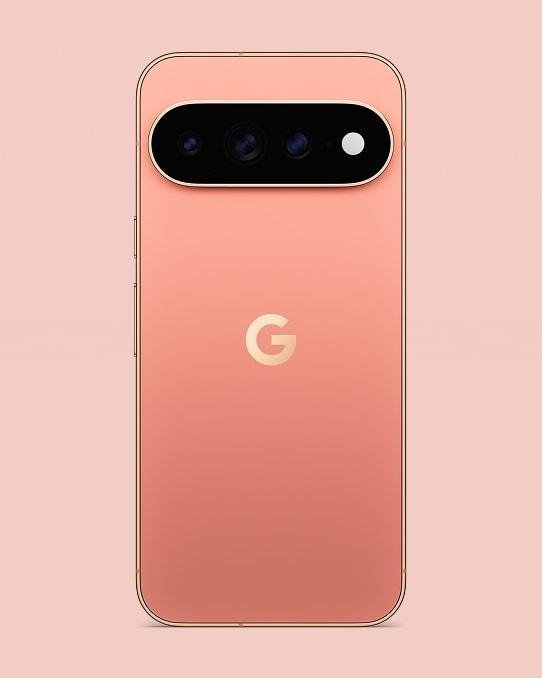
Phone Display Refresh Rates Explained: 60Hz vs 120Hz vs 165Hz vs 185Hz
Every phone maker now advertises its refresh rate, and the numbers keep climbing: 120Hz on flagships, 165Hz on gaming phones, 185Hz on the fastest screens of 2026. The number sounds technical, but the idea is simple, and the differences between the tiers matter more than the marketing suggests.
What refresh rate actually means
Refresh rate is how many times per second a display redraws its image, measured in hertz. A 60Hz screen redraws 60 times a second. A 120Hz screen redraws 120 times. The higher the number, the more often the picture updates, and the smoother motion looks when you scroll, swipe or play a game.
Your eye notices the jump from 60Hz to 120Hz immediately. Scrolling a web page stops smearing, animations stop stuttering, and the phone feels faster even though the processor is unchanged. The jumps above 120Hz are real too, but they are smaller, and they matter mostly in games.
60Hz: the baseline
A 60Hz display is the old standard, and it is still fine for calls, messages and photos. But once you have used a faster screen, 60Hz feels sluggish, because every scroll visibly steps instead of gliding. Most 2026 phones have moved past it. Even Google’s base Pixel 11 now runs 60Hz to 120Hz, dropping to 60Hz only when nothing is moving.
90Hz: the budget sweet spot
Ninety hertz is the sensible middle ground, and it is where good budget phones now sit. The Galaxy A18 4G, for example, pairs a 6.7-inch Super AMOLED display with a 90Hz refresh rate. Scrolling is clearly smoother than 60Hz, the battery cost is small, and the panel is cheap enough to keep the phone affordable. If you are buying under $300, 90Hz is the number to look for.
120Hz and LTPO: the flagship standard
One hundred twenty hertz is the flagship standard in 2026, and nearly every top phone uses it: the iPhone 18 Pro Max, the Galaxy S26 Ultra, the Xiaomi 18 Pro and the Xiaomi 18 Pro Max all run 120Hz panels.
The clever part is not the 120Hz itself but the LTPO technology behind it. LTPO lets the screen change its refresh rate on the fly. The Pixel 11 Pro XL runs anywhere from 1Hz to 120Hz, dropping to almost nothing when you are reading a static page and jumping to full speed when you scroll. The Honor Magic9 Pro Max does the same, from 1Hz to 120Hz. That is why a 120Hz flagship does not drain its battery in half a day: the fast refresh only runs when your eyes would notice it.
165Hz and 185Hz: the gaming tier
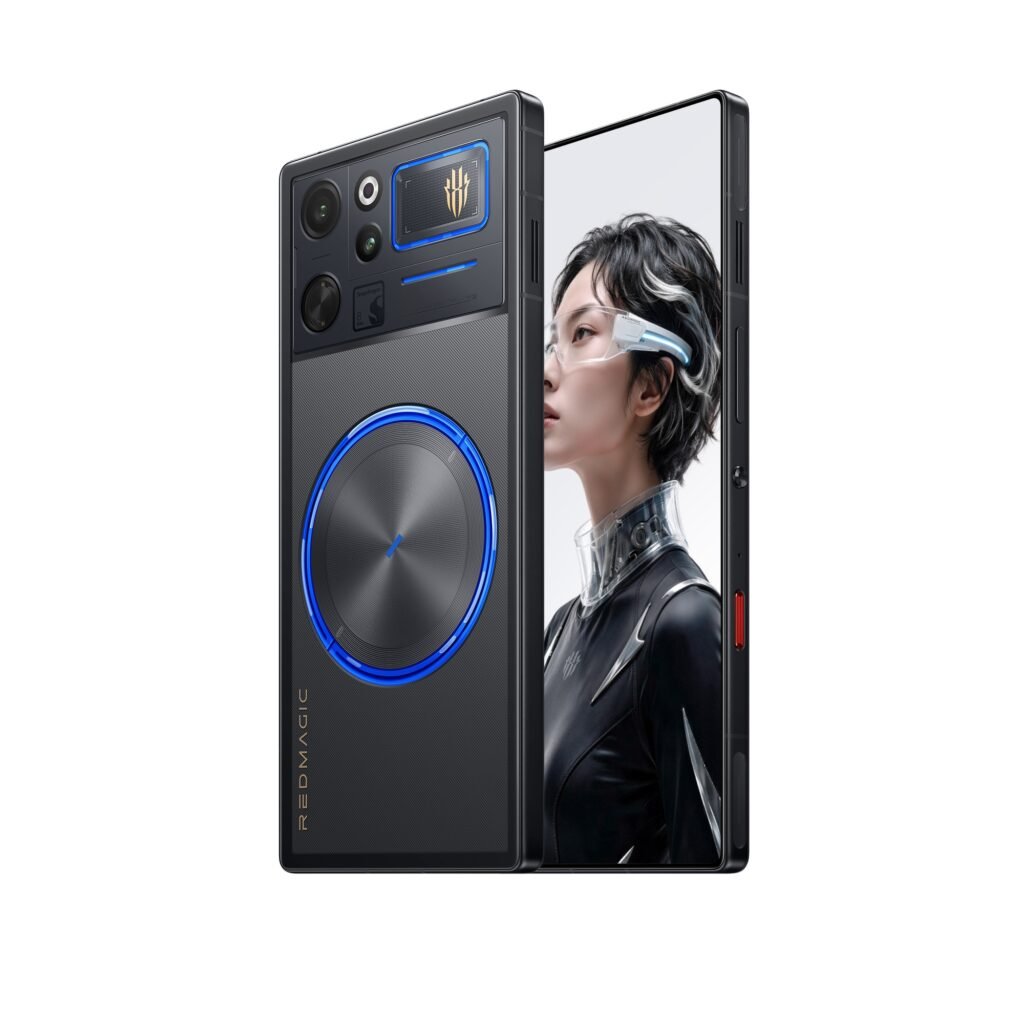
Above 120Hz, the audience narrows to gamers. The OnePlus 16 runs an adaptive 1Hz to 165Hz display, and pushes to 185Hz in select games. The RedMagic 12 Pro goes further, with a display that runs up to 185Hz.
Two caveats matter here. First, the benefit is mostly visible in fast games, where the screen can show more frames per second than a 120Hz panel. In everyday scrolling, the difference between 120Hz and 185Hz is hard to spot. Second, the OnePlus number comes with fine print: 185Hz works only in select games, with 165Hz as the normal ceiling. A headline number is not the whole story.
The battery trade-off
Every extra hertz costs battery, because the screen redraws more often and the processor renders more frames. That is why adaptive refresh rates matter more than peak numbers. A phone that runs 120Hz while you scroll and 1Hz while you read will outlast a phone locked at a fixed high rate, even with a smaller battery. When you compare phones, ask whether the refresh rate adapts, not just how high it goes.
What to look for when buying
For most people, a 120Hz LTPO display is the right answer: smooth when it matters, frugal when it does not. If you play competitive mobile games, 165Hz or 185Hz is worth paying for, but check whether the games you actually play support it. And if you are shopping on a budget, 90Hz is the floor worth accepting. Below that, in 2026, the phone will feel old the day you buy it.
FAQ
Is 120Hz better than 60Hz?
Yes, noticeably. Scrolling and animations look smoother at 120Hz, and most people can feel the difference immediately. It is the single most visible display upgrade of the last few years.
Do I need a 165Hz or 185Hz display?
Only if you play fast mobile games that support those frame rates. For browsing, video and everyday use, 120Hz is enough, and the difference above it is hard to see.
Does a higher refresh rate drain the battery?
Yes, but LTPO displays limit the damage by dropping to 1Hz when the screen is static. An adaptive 120Hz screen can use less power than a fixed 90Hz one.
Sources: Cellular Heros catalog (cellularheros.us)